

In today’s saturated marketplace, having a great product isn’t enough. Whether you’re pitching a new product idea to C-level executives, seeking investor funding, or launching to consumers, the difference between products that capture hearts, minds, and wallets versus those that fade into obscurity often comes down to one critical element: great product positioning. The most successful brands and product teams don’t just present features and data—they craft compelling narratives that resonate with stakeholders at every level.
Why product positioning is critical for success at every level
Human beings are wired for stories. Neuroscience research demonstrates that narratives engage complex brain networks, making them more persuasive than standard arguments. Stories activate both cognitive and emotional processing centers, creating what researchers call “transportation” – the feeling of being immersed in a narrative world. This isn’t just true for consumers—executives, investors, and internal stakeholders also make decisions based on compelling narratives that help them visualize success and potential impact.
The power of product positioning in different contexts
Consumer Marketing: When you tell a compelling product story to customers, you’re creating emotional connections that drive purchase decisions and build lasting brand loyalty. Apple doesn’t sell computers; they sell creativity and empowerment. Nike doesn’t sell shoes; they sell the dream of athletic achievement.
B2B Lead Generation: As with consumer marketing, telling a compelling product story that connects is also important for B2B client interest. The difference being you don’t only want to create an emotional connection, but a value connection as well. You need to quickly convey how you are solving a problem, increasing ROI, etc., while at the same time being memorable.
Internal Pitches: When presenting to C-level executives, product stories help leadership visualize market opportunity, understand user needs, and see how the product aligns with company strategy. A well-crafted narrative can transform a feature list into a compelling business case.
Investor Presentations: For startups and established companies seeking funding, product storytelling demonstrates market understanding, customer empathy, and growth potential. Investors don’t just fund products—they fund visions of transformed markets and customer experiences.
Product storytelling serves several crucial functions across all these contexts:
- Creates emotional connections that transcend rational decision-making. People don’t just buy what you do—they buy why you do it and who you are.
- Differentiates your product in crowded markets where features can be easily copied.
- Makes complex products accessible by providing relatable context and clear value propositions.
- Builds stakeholder alignment around shared vision and goals.
- Increases perceived value by positioning products within meaningful, transformative narratives that solve problems and create tangible benefits.
- Demonstrates market understanding and customer empathy to investors and executives.
How to craft product positioning for execs and investors
Pitching to C-Level Executives
Whether you are presenting product ideas to potential senior leadership clients or internal stakeholders, your story must connect product vision to business strategy. Executives think in terms of market opportunity, competitive advantage, and return on investment.
Structure your executive story around:
- Market Problem: Define the significant problem or opportunity your product addresses
- Customer Insights: Share specific research and customer feedback that validates the need
- Solution Narrative: Position your product as the logical solution with clear differentiation
- Business Impact: Quantify potential revenue, market share, or strategic advantages
- Implementation Vision: Paint a clear picture of a successful launch and adoption
🔎 Case Study:
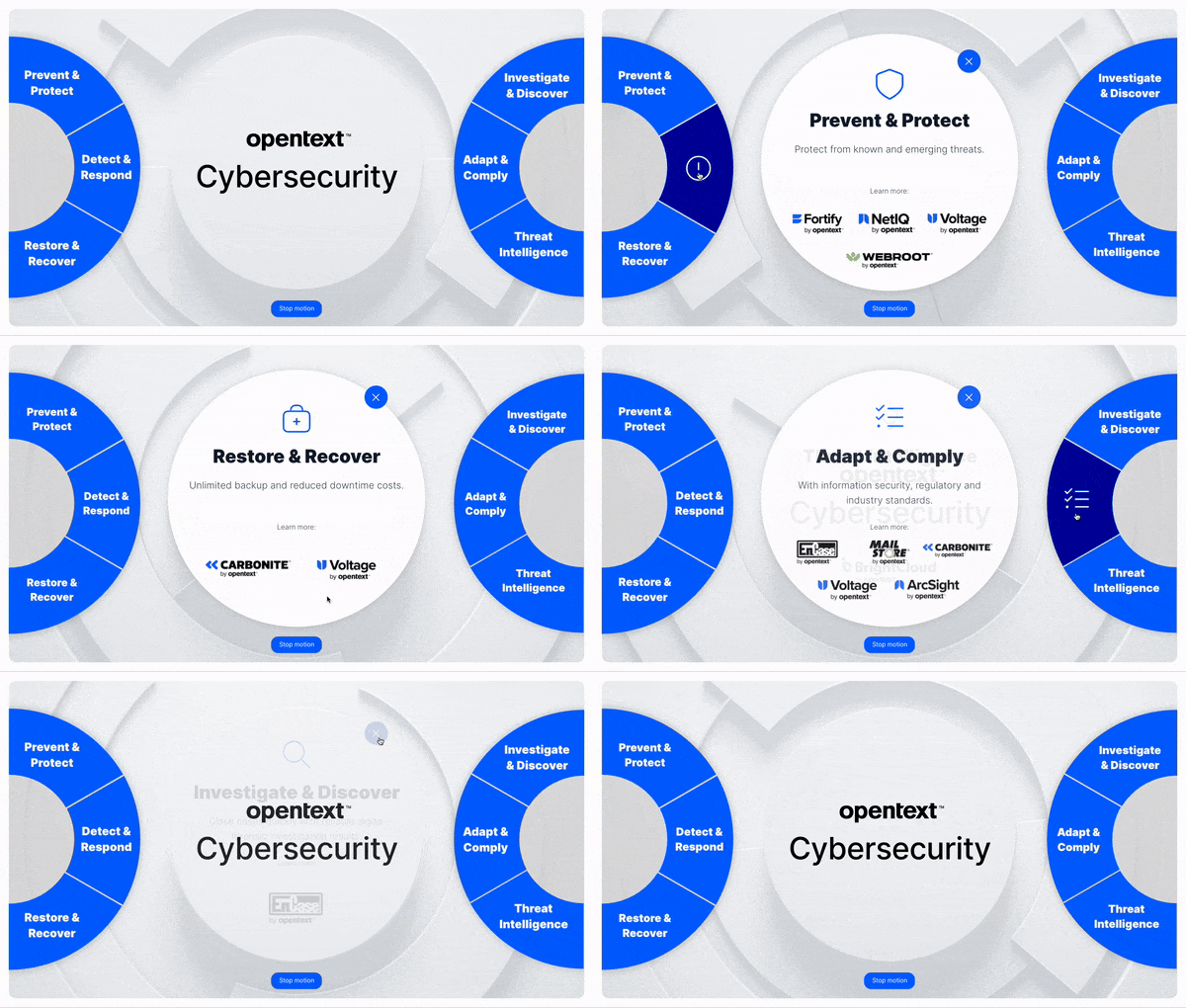
We were asked by a large SaaS company to help simplify and create a cohesive cybersecurity product line story for a house of brands. We started by developing a cohesive overarching story for the entire product line with a consistent way to speak to customer challenges, product benefits, and use cases. Each product portfolio then followed a common storytelling arc—market opportunity, customer challenges, solution, use cases, unique differentiation, and results. We used the parent brand as a visual umbrella and the corporate logo as an endorsed brand modifier with the sub-brands to create brand cohesion. This played out consistently across presentations, website, sales tools, and advertising to create a clear and seamless story. Going from complex to consistent, and helping the sales team sell complete solutions vs. point products.
Securing Investor Interest
Investors, be it a VC, private equity firm, or internal stakeholders, evaluate both the product opportunity and the team’s ability to execute. Your product positioning must demonstrate deep market understanding while showing scalable potential. If you are pitching external investors, then you need to quickly convey why your idea/approach is unique and relevant. Pitching an incubation idea or new product to internal stakeholders, then clearly articulating how you are impacting core or adjacent businesses, or creating new market opportunity is paramount.
Key elements for investor narratives:
- Problem vs Future Focused Positioning: Are you solving a current problem or are you offering a transformative solution for problems or opportunities on the horizon?
- Market Size and Growth: Use data to demonstrate large, expanding market opportunity, and quantifiable benefits.
- Competitive Differentiation: Clearly articulate your unique value proposition. Why your company? Why your solution? What benefit to you provide?
- Traction Evidence: Include early customer validation, pilot results, or market signals.
- Vision for Scale: Paint a picture of how the product grows and evolves.
💡 Pro Tip: Use the “Before, Bridge, After” structure. Show the current market state, explain how your product serves as the bridge to transformation, then paint the future state your product enables.


🔎 Case Study:
A venture capital firm fueling innovation at the intersection of health, technology, and consumer experiences wanted to update their fund pitch deck to create a fresh and energetic experience when talking about their investments and opportunities. We helped to refine their narrative to be clearer and more compelling. Using their existing brand, we pumped up their pitch deck and PowerPoint template with a fresh new image library that was playful, authentic, and really spoke to their target audience.
Essential elements of every compelling product story
Start With Your Hero’s Journey
Every great product story needs a hero—and that hero isn’t your product, it’s your customer. Frame your narrative around the customer’s journey: their initial problem or desire, the challenges they face, how your product helps them overcome obstacles, and the transformation they experience.
This narrative structure taps into archetypal storytelling patterns that feel familiar and engaging. Your product becomes the trusted guide that helps the hero achieve their goals.
Identify the Core Conflict
Compelling stories require tension. What problem does your product solve? What frustrations does it eliminate? What goal does it help realize? The more vividly you can paint the “before” state, the more impactful your product’s role in the transformation becomes. Avoid generic pain points. Dig deep into specific, relatable scenarios that make your audience nod in recognition.
Focus on Transformation, Not Features
Features tell, but transformation sells. Instead of listing what your product does, show how it changes lives. A fitness app doesn’t just track workouts—it helps busy parents reclaim their health and energy. A project management tool doesn’t just organize tasks—it helps teams reduce stress and achieve their ambitious goals.
💡 Pro Tip: Day in the life scenarios, future state examples, and visionary videos bring to life the tangible impact your product can have in the market and help communicate your vision.
Make It Personal and Specific
Generic stories fail to resonate. Use specific details, real customer examples, and concrete scenarios. Instead of “saves time,” describe exactly how it gives working mothers an extra 30 minutes with their children each evening. Specificity creates believability and emotional impact.
8 best practices for maximum product positioning impact
1. Know Your Audience
Different customer segments need different stories. A productivity app might emphasize work-life balance for parents while highlighting career advancement for young professionals. Develop distinct narratives that speak to each segment’s unique motivations and challenges.
Research your audience’s language, values, pain points, and aspirations. The most effective product stories use the exact words and phrases your customers use to describe their experiences.
2. Choose the Right Story Structure
Not every product needs the same narrative approach. Consider these frameworks:
- Origin Stories work well for innovative products or mission-driven brands. They explain why the product was created and the vision behind it.
- Transformation Stories are perfect for products that solve clear problems or enable significant improvements.
- Community Stories emphasize belonging and shared identity, ideal for products that connect people or support lifestyle choices.
- David vs. Goliath Stories position your product as the scrappy alternative to established solutions.
3. Balance Aspiration With Authenticity
Your story should inspire without overselling. Customers are sophisticated and can detect inauthentic claims. Ground your narrative in real benefits while painting a compelling picture of possibility.
Use real customer testimonials, case studies, and data to support your story. The most powerful narratives combine emotional appeal with credible evidence.
4. Visual Storytelling Strategies: Bringing Product Narratives to Life
Words alone aren’t enough in our visual-first world. The right visuals can transform a good story into an unforgettable one.

5. Show, Don’t Just Tell
Use imagery that demonstrates your product in action rather than just showcasing its appearance. Show customers experiencing the transformation your product enables.
Capture moments of joy, relief, accomplishment, or connection that your product facilitates.

6. Create Visual Consistency
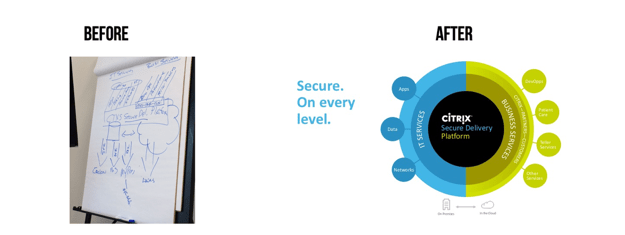
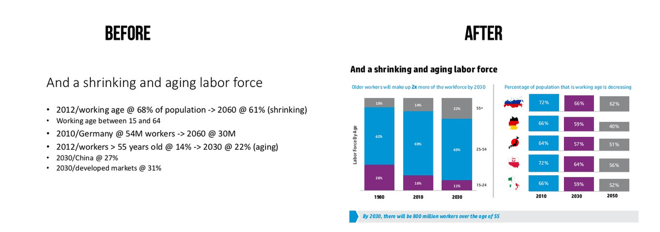
Your visual elements should reinforce your narrative theme. If your story is about simplicity and clarity, your visuals should reflect a clean, uncluttered design. If you’re telling a story about adventure and exploration, use dynamic, outdoor imagery. If you are presenting a pitch to a customer, wow them with engaging graphics. No one, seriously no one, wants to look at a slide full of text. Engage your audience with visuals that help tell your story. And be careful not to over complicate and confuse your audience with too many visuals or poorly designed visuals.
7. Leverage Video Storytelling
Video combines narrative, emotion, and demonstration in a uniquely powerful way. Short video stories can convey transformation journeys that would take paragraphs to describe in text. Use video to show your product solving problems in real-time or to share authentic customer testimonials.
8. Use Data Visualization Strategically
When you need to communicate impact or results, transform dry statistics into compelling visual stories. Show growth curves, before-and-after comparisons, or progress journeys that make your product’s value tangible and memorable.


Common product positioning mistakes to avoid
Don’t Make Your Product the Hero
The most common mistake is positioning your product as the star of the story. Your customer should always be the hero, with your product serving as the valuable tool that enables their success.
Avoid Feature Laundry Lists
Resist the temptation to mention every capability. Focus on the features that most directly serve your core narrative. Too many details dilute the emotional impact of your story.
Don’t Oversell the Dream
While aspiration is powerful, unrealistic promises destroy credibility. Ensure your story represents achievable outcomes for your target customers.
Remember, Different Audiences Need Different Stories
Your complete product story might be compelling for your website, but C-level presentations require strategic focus. Investor pitches emphasize market opportunity. Social media demands distilled versions. Sales teams need competitive differentiation angles. Adapt your core narrative to fit each audience while maintaining consistency across touchpoints.
Don’t Forget Your Internal Audience
Many product teams craft compelling external stories while neglecting internal stakeholders. Your engineering, sales, and support teams need to understand and believe in your product story to effectively build, sell, and support it.
Product positioning checklist: Your complete guide to success
Compelling product storytelling isn’t about jargon and complexity—it’s about authentic connection and clear communication of value. Whether you’re pitching to investors, presenting to executives, or marketing to consumers, the best product stories help stakeholders understand not just what your product does, but why it matters in their world.
Your Product Positioning Action Plan:
✅ Research deeply: Understand your audience’s journey, language, pain points, and aspirations
✅ Identify transformation: Define the specific change your product enables or problem it solves
✅ Craft your narrative: Position your audience as the hero and your product as the guide
✅ Support with visuals: Use authentic imagery and data that bring the transformation to life
✅ Adapt for context: Tailor your story for executives (business impact), investors (market opportunity), and consumers (personal benefit)
✅ Test and refine: Evolve your story based on real stakeholder response and feedback
✅ Align internally: Ensure your entire team understands and can communicate the core narrative
Remember, great product stories aren’t created in conference rooms—they’re discovered through deep customer empathy, validated through market research, and refined through continuous engagement with all your stakeholders. The most compelling product positioning feels less like marketing presentations and more like shared understanding between you and the people whose problems you’re solving or opportunities you’re unlocking.
Frequently asked questions about product positioning
How long should a product story be?
It depends on the context. Executive summaries need 2-3 minutes, investor pitches allow 10-15 minutes, while consumer marketing can use everything from 6-second social videos to detailed case studies. Always match the length to your audience’s attention span and decision-making timeline.
Should product positioning focus on features or benefits?
Always prioritize transformation and outcomes over features. Features explain what your product does; stories explain why it matters and what changes it creates in users’ lives or businesses.
How do I make technical products compelling to non-technical audiences?
Focus on the human impact and business outcomes rather than technical specifications. Use analogies, real-world examples, and clear before-and-after scenarios that anyone can understand.
What if my product is similar to existing solutions?
Focus on the human impact and business outcomes rather than technical specifications. Use analogies, real-world examples, and clear before-and-after scenarios that anyone can understand.
In a world overflowing with products, choices, and competing priorities, the brands and product teams that win are those that tell stories stakeholders want to be part of. Whether you’re seeking funding, internal approval, or market adoption, make your product story one worth sharing, believing in, and acting upon.
Need help refining your product positioning or bringing it to life?
We are here to help. Reach out and we are happy to audit your current positioning and advise on next steps to creating a compelling product story that makes an impact.