As 2026 unfolds, the design world is experiencing a powerful blend of nostalgia, emerging technologies, and a renewed focus on human creativity. The top 2026 design trends highlight a growing tension—and harmony—between handcrafted authenticity and AI-accelerated innovation. Here’s what’s defining the visual landscape in 2026.
1. Soft Gradients Make a Sophisticated Comeback
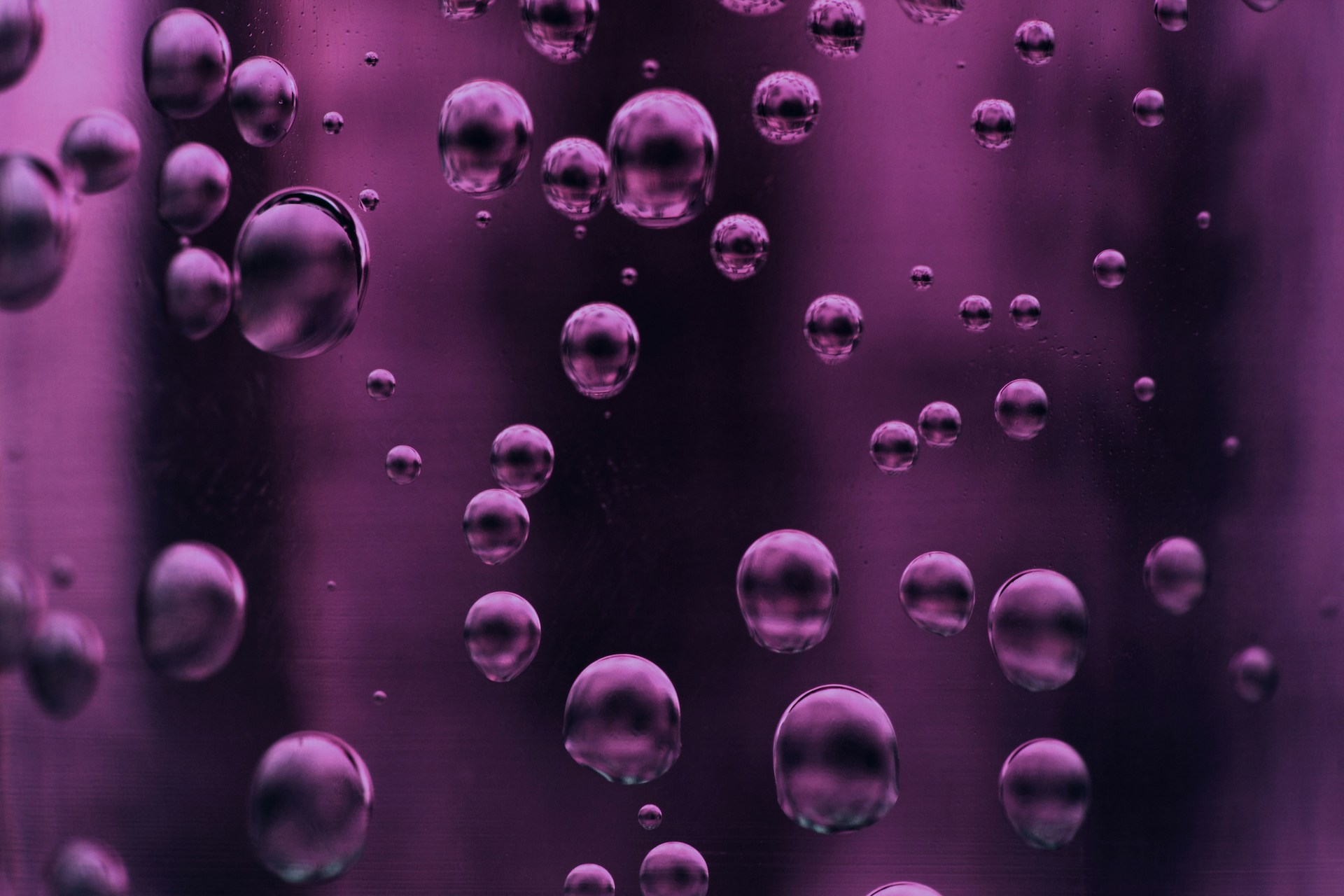
The neon gradients of the early 2020s have evolved into soft, atmospheric blends that bring depth without distraction. Across Behance, Dribble, and brand experiences from Stripe to Apple Music, designers are using gradients as functional mood-setters instead of loud focal points. Even Pinterest’s menu interaction exemplifies this trend, with backgrounds that blur into dreamy, gradient-filled transitions—one of the most recognizable 2026 design trends for digital interfaces.
Today’s gradients lean into:
- Soft pastels and smoky transitions
- Subtle grain overlays for texture
- Ambient, cinematic fades
- UI elements with gentle glow effects that guide attention
These gradients now behave like digital lighting, enhancing hierarchy, shaping emotion, and supporting increasingly complex interfaces.


2. Clean Typography Signals Editorial Authority
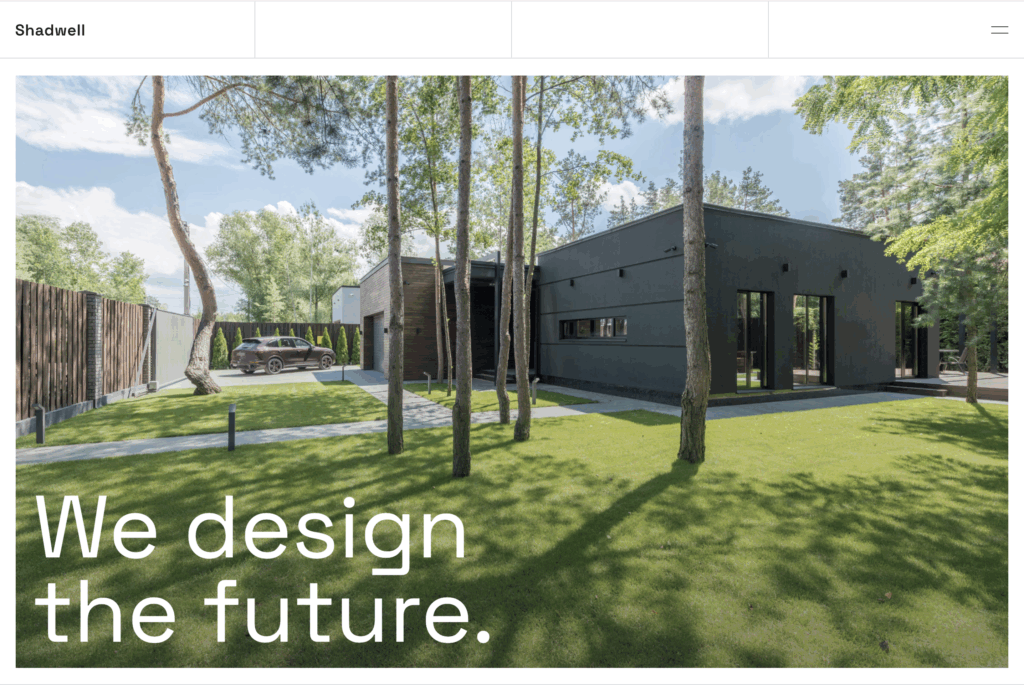
Typography in 2026 is all about precision, clarity, and calm. Designers are embracing:
- Sans-serif and classic serif pairings
- Magazine-style layouts
- Generous white space
- Large initial caps for structure and elegance
- Ensure legibility
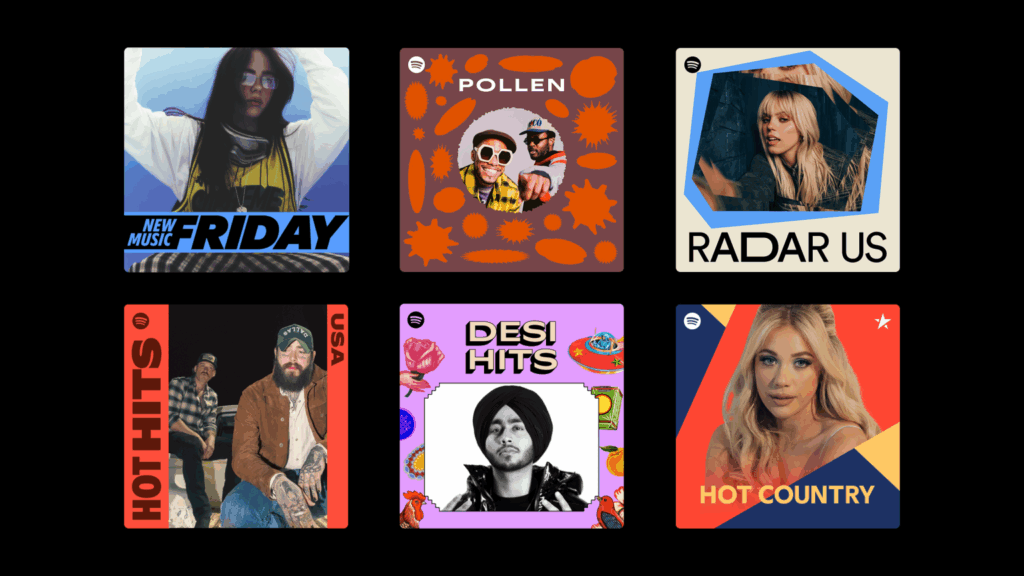
Brands across industries are leaning into this minimalistic, editorial aesthetic to convey trust, sophistication, and focus—reinforcing that timeless type choices outperform fleeting stylistic experiments. Spotify Mix balances expressiveness and character while still offering legibility and accessibility, , fitting neatly into broader 2026 design trends around clarity and ease.
3. The 90s Handmade Aesthetic Returns With an Anti-AI Edge
Nostalgia continues its reign with a major resurgence of 90s, grunge, and mixed-media design—one of the boldest 2026 design trends driving expressive creativity. Think:
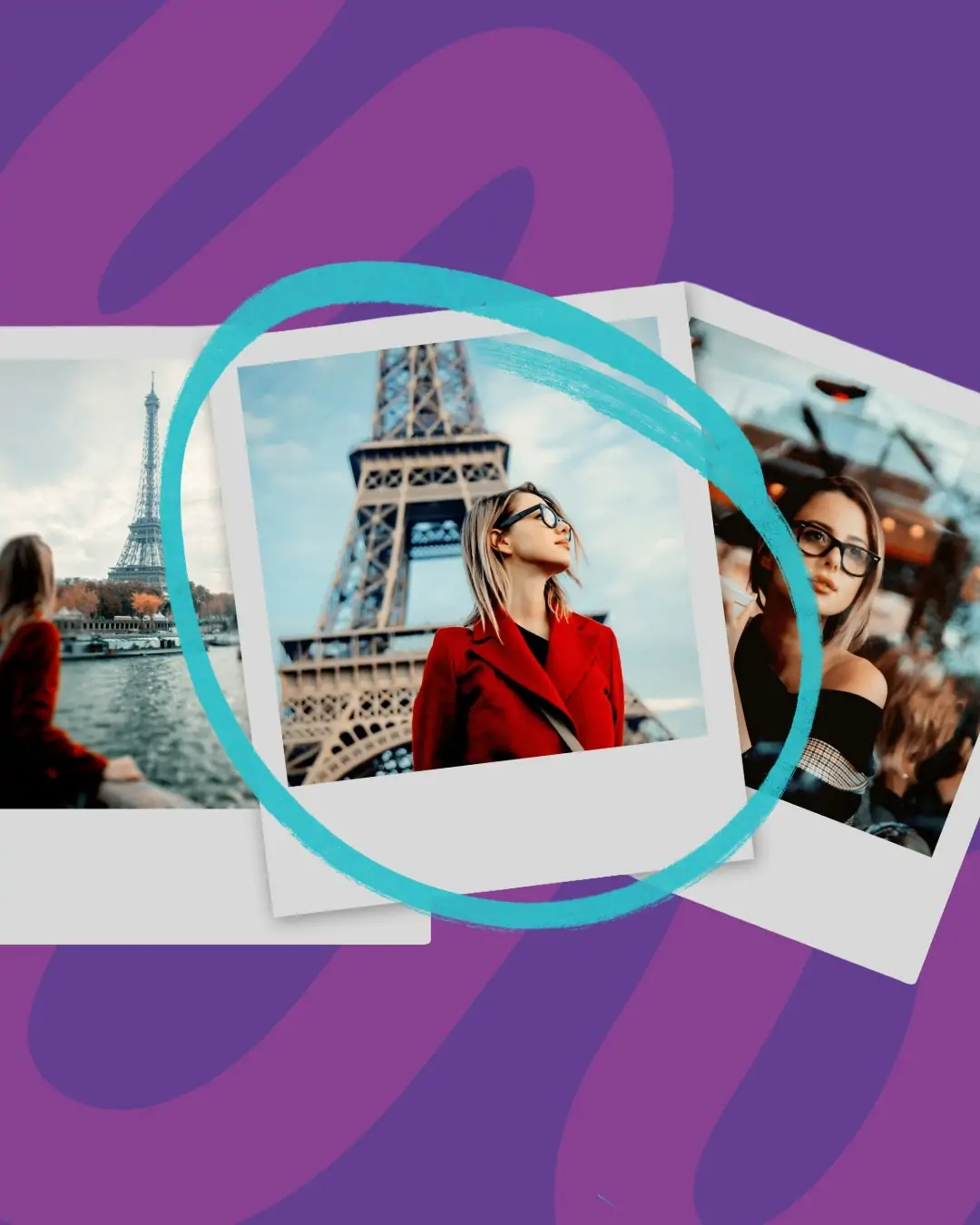
- Grain, noise, and paper textures
- Collage-style layering
- Graffiti strokes and hand-drawn imperfections
- Ink bleed, rough edges, analog artifacts
This trend resonates for more than its retro appeal. It’s a counter-movement to hyper-polished AI outputs, emphasizing the messy, chaotic, beautifully human elements that AI struggles to replicate organically. Creators on Canva, Behance, and Instagram are pushing this aesthetic to challenge what “authentic design” looks like in an AI-saturated ecosystem.
The result: deliberate imperfection as a creative stance —perfectly aligned with 2026 design trends that celebrate human touch.
4. 3D Web Design Becomes a Mainstream Experience
3D design has officially broken out of niche experimentation and into core digital brand strategy. Sites like DotLineCode, Bruno Simon, and Raven DAO illustrate how interactive 3D can elevate UX without sacrificing performance, making immersive web experiences a defining 2026 design trend.
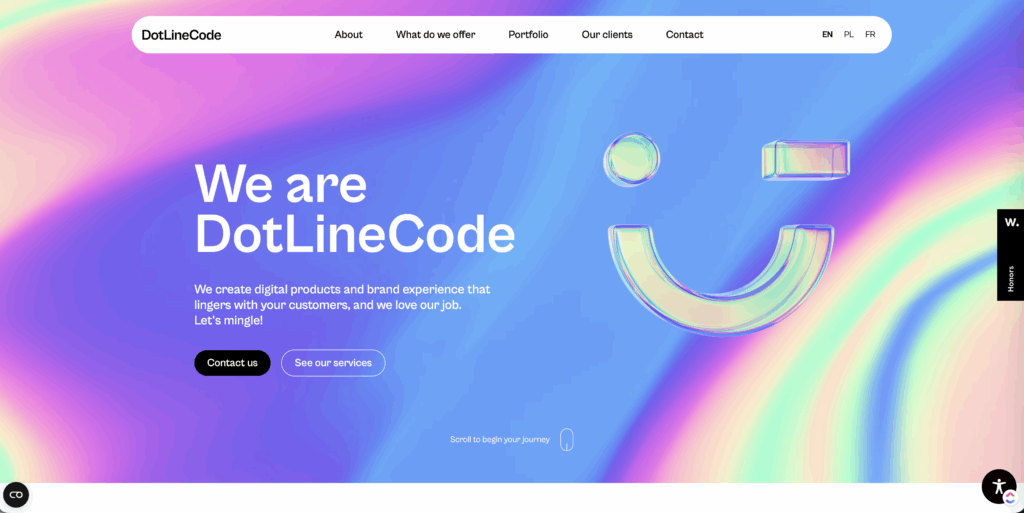
Modern 3D design is defined by:
- Objects that respond to scroll and cursor movement
- Rotatable product visualizations
- Parallax backgrounds that add spatial depth
- Lightweight, optimized WebGL scenes
Thanks to improvements in Three.js, browser rendering, and optimization tooling, 3D is now accessible, fast, and expected—especially for premium consumer brands.
5. Motion & Micro-Interaction Design Become Non-Negotiable
Static design continues to fade as motion becomes an essential storytelling layer. From social content to websites to presentations, motion guides attention, reinforces hierarchy, and creates moments of delight.
Key motion trends in 2026:
- Scroll-triggered animations
- SVG micro-interactions for reduced load times
- Tactile UI feedback (button bounce, form-field response)
- Low-code tools like Genially making motion accessible
Motion is no longer a flourish; it’s a functional UX tool—and one of the most powerful 2026 design trends for standing out in algorithmic feeds.
6. Human–AI Collaboration Becomes the New Creative Workflow
The biggest shift this year isn’t aesthetic—it’s procedural. Designers and AI tools have finally found a productive rhythm, moving past the extremes of fear or blind enthusiasm.
2026’s AI-design workflow looks like this:
- Humans define strategy, intent, mood, and emotional direction
- AI generates variations quickly
- Humans curate, refine, and elevate the best outputs
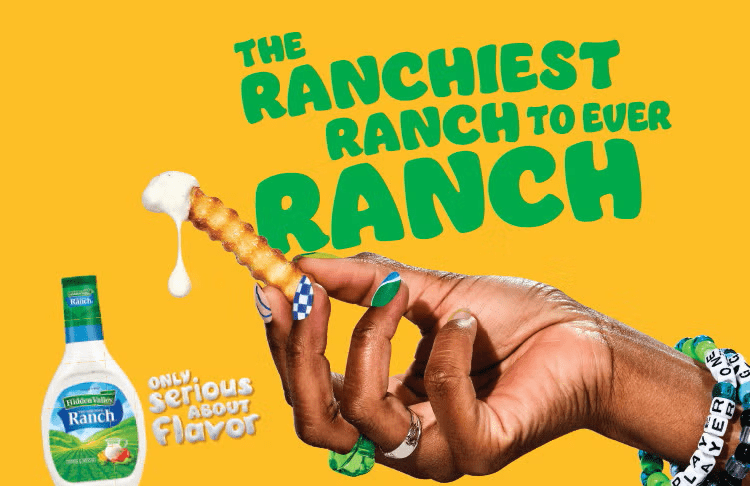
Case studies like Hidden Valley Ranch’s AI-powered campaign demonstrate the new model: AI as an accelerator, not a replacement. Designers increasingly see prompting as a craft, requiring taste, clarity, visual intuition, and deep brand understanding.
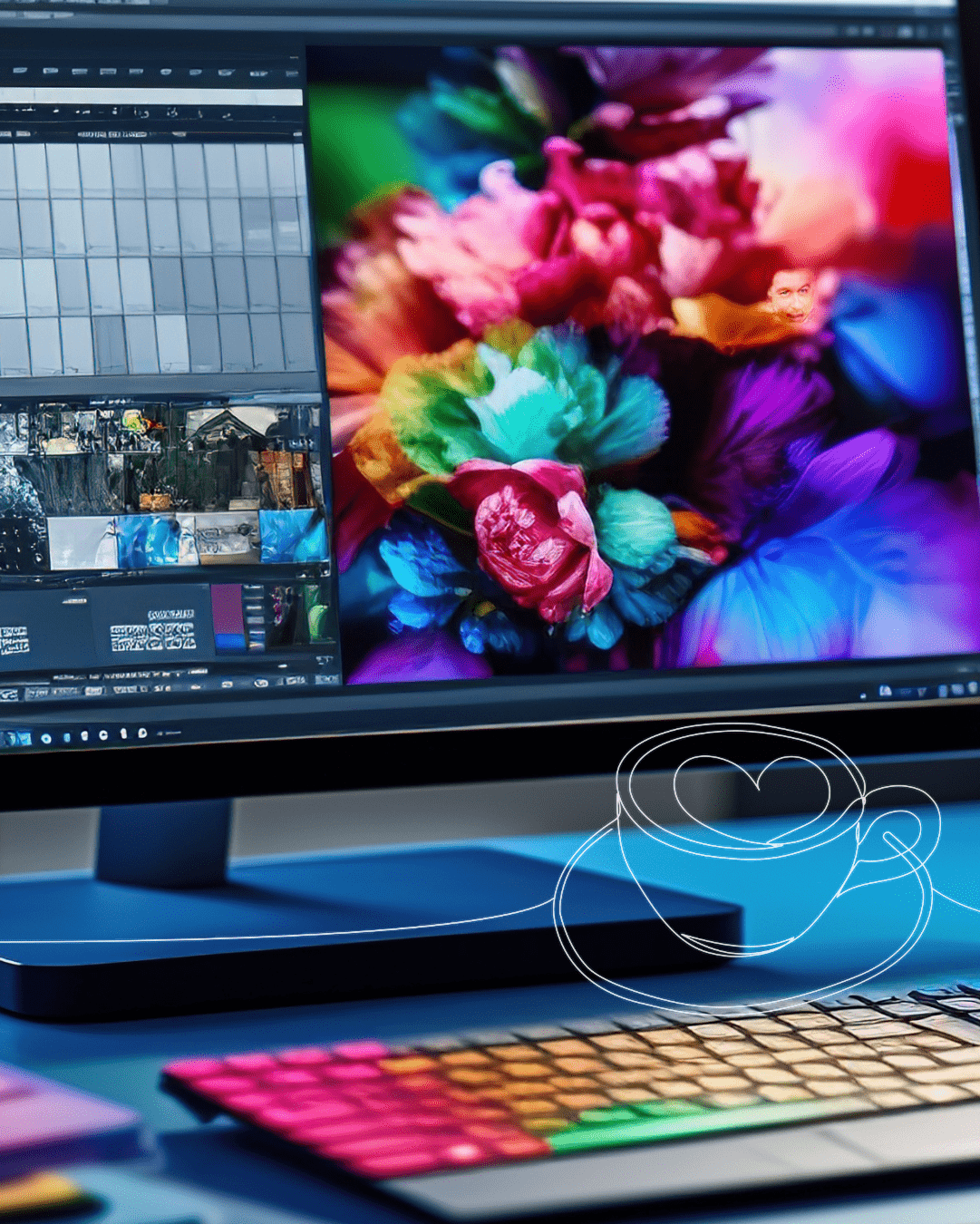
Importantly, AI does not shorten production time on its own—iteration, refinement, and creative judgment remain essential. Tools like Adobe Firefly, Runway, Midjourney, and other AI-native platforms are now embedded in the design stack, but human vision continues to lead—reinforcing one of the core 2026 design trends: humans + AI working in tandem.
Looking Ahead: A Future Defined by Intentional Creativity
The 2026 design trends landscape sits at the intersection of restraint and expression, nostalgia and innovation, machine acceleration and human touch. Soft gradients and clean typography create calm, while 90s handmade aesthetics and motion design celebrate energy and individuality. AI is reshaping workflows, but the creative industry is pushing back with authenticity, strategy, and human-led storytelling.
If one theme defines 2026, it’s this:
Design is becoming more human—not despite AI, but because of how thoughtfully designers are choosing to use it.